


Protecting Your Vision Starts with Early Detection
Many eye diseases and conditions, including glaucoma, age-related macular degeneration (AMD), and cataracts, can develop slowly and without noticeable symptoms in the early stages. By the time vision changes occur, damage may already be present, which is why early detection is so important.
At 20Twenty Eyecare, we use detailed imaging and comprehensive diagnostic testing to identify changes as early as possible and monitor your eye health over time. Our goal is to detect, track, and manage eye disease before it impacts your vision.
If you’re due for an eye exam or have risk factors for eye disease, taking a proactive approach can make a meaningful difference in protecting your long-term vision.

What We Monitor During Eye Exams
Eye disease diagnosis requires a combination of detailed imaging, functional testing, and ongoing monitoring. During your exam, we may evaluate:
- Retinal and optic nerve health
- Eye pressure
- Peripheral vision
- Macular health
- Corneal thickness
- Tear film and ocular surface health
These tests help us identify early signs of disease and establish a baseline for future comparison.
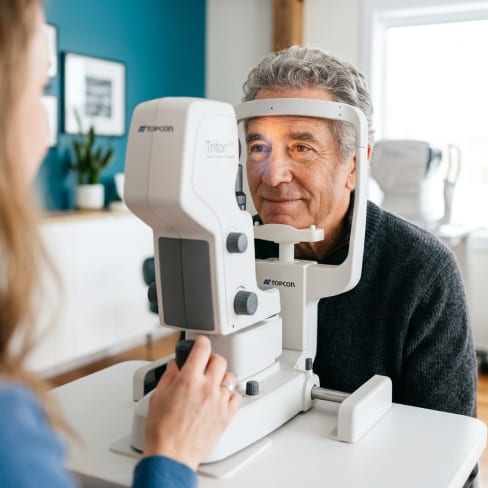
Diagnostic Technology We Use
We rely on diagnostic imaging and testing to better understand your eye health, including:
- optomap retinal imaging for wide-field retinal evaluation
- OCT imaging for detailed cross-sectional views of the retina and macula
- iCare tonometry for gentle eye pressure testing
- Visual field testing for peripheral vision assessment
- Pachymetry for corneal thickness measurement
- MPOD testing for macular pigment health
- Meibography for meibomian gland evaluation
This combination of testing allows us to detect subtle changes early and monitor progression over time.

Glaucoma Management
Glaucoma is a progressive eye disease that damages the optic nerve, often without early symptoms. It is commonly associated with elevated eye pressure, but can also occur with normal pressure levels. If left untreated, glaucoma can lead to permanent peripheral vision loss.
We monitor:
- Eye pressure
- Optic nerve health
- Visual field changes over time
Glaucoma cannot be reversed, but early detection and consistent management can help preserve vision.


Diabetic Eye Disease
Diabetes can affect the small blood vessels in the retina, sometimes before any symptoms are noticeable. We monitor for:
- Diabetic retinopathy
- Diabetic macular edema
- Retinal swelling or bleeding
Using Optomap imaging and OCT scans, we can detect early changes and closely track retinal health over time.
AMD Testing and Management
Macular degeneration affects the central part of the retina, known as the macula, which is responsible for detailed central vision. There are 2 forms of AMD:
- Dry AMD, which progresses slowly over time
- Wet AMD, which can cause more rapid vision changes
We use OCT and MPOD testing to evaluate macular health, detect early changes, and monitor progression. While there is no cure for dry AMD, early detection, lifestyle guidance, and ongoing monitoring can help slow progression. Wet AMD may be managed with medical treatments designed to preserve vision.
Cataract Exams and Management
Cataracts occur when the natural lens of the eye becomes cloudy, leading to blurred vision, glare, and difficulty with night driving or reading.
Cataracts typically develop slowly and can be monitored over time through routine eye exams.
Early stages may be managed with updated glasses or contact lenses, while more advanced cataracts may significantly affect vision.
Protecting Your Vision Through Preventive Care
Protecting your vision starts with awareness, early detection, and consistent care. Many eye diseases can be managed more effectively when they are identified early, which is why regular eye exams play such an important role in long-term eye health.
Sudden changes in vision, such as flashes of light or a noticeable increase in floaters, should always be evaluated promptly. These symptoms can sometimes indicate changes in the retina that require immediate attention to rule out more serious conditions.
In addition to regular monitoring, healthy daily habits can also support your vision over time, including:
- Wearing UV protection
- Managing blood pressure and blood sugar
- Maintaining a balanced, nutrient-rich diet
- Avoiding smoking
- Staying consistent with routine eye exams
If you notice sudden visual changes or are due for an exam, early evaluation is key to protecting your sight.

Explore Our Eyewear Brands









Come Visit Us in Bozeman
Our Address
Contact Information
- Phone: 406-522-8888
- Fax: 406-404-1885
- Email: info@20twentymt.com
Hours of Operation

What People Are Saying
Testimonials
I had a great experience at 20twenty eyecare from start to finish. Dr. Blom and Cora were friendly, knowledgeable, and great to work with. Cora was fantastic when helping me pick out and fit my frames. She picked out frames that would best suit my face and made sure everything fit comfortably. I’m really happy with my experience and would definitely recommend them to anyone!
Bailey
I was very well taken care of at 20Twenty. Dr Blom and the staff were great. I felt the exam was very thorough and not rushed. Dr Blom spent a lot of time with me and was very good at explaining my tests. I would highly recommend him. He has also taken excellent care of my daughter. Much appreciated.
Wally
What a kind and professional staff! I felt heard and allowed to ask questions. The office was very clean and with today’s health concerns, that is important. My Dr. was thorough and I felt well taken care of. I was grateful that my annual vision health was taken seriously with Professionalism. A patient of 4 years.
April
20Twenty Eyecare is the very best that I have experienced anywhere. All of the staff, from the front desk to the examining rooms and the opticians are very professional, extremely knowledgeable, and always willing to explain what they are doing and answer questions. They are always very thorough and get it right the first time. Thank you for a very pleasant experience each time that I visit.
Gloyd

